


Seed Oil Scout: Healthy Dining
4.61.03K Reviews
App Specs
- Version
- 6.5.27
- Updated On
- License
- Free
- Downloads
- 100,000+
- Developer
- Extra Virgin Ventures
- Categories
- Food & Drink
- Platform
- Android
Screenshots

 Analysis by AppCompare
For a household trying to eat out with different priorities, choosing a restaurant can turn into a small research project. One person may be avoiding gluten, another may prefer carnivore-friendly options, and someone else may simply want to know what goes into the food. Seed Oil Scout: Healthy Dining gives that conversation a practical starting point by helping people explore local dining options and look into restaurant ingredients. I find it most useful as a planning aid: it can narrow the search before anyone is hungry, rather than asking one app to settle every dietary question at the table.
Useful before the group leaves home
A realistic use is a shared dinner plan where nobody wants to spend the evening negotiating over a long list of menus. I’d have one person check the neighborhood for places that appear to fit the group’s needs, then share a short list of candidates in the household chat. That keeps the app in its strongest role: finding possibilities and prompting better questions, not making the final decision for everyone.
It can also help when plans change. If the first-choice restaurant is busy, looking up another nearby option is more focused than opening a general map and guessing from cuisine labels alone. The practical trade-off is that any restaurant information is only useful when it matches the current menu and kitchen practices. I’d still confirm important details directly with the restaurant, especially for an allergy or a strict dietary requirement.
One phone, several people
For shared-device use, I’d treat the app as a reference tool rather than a household account system. One person can search and show the results to everyone, but each diner should explain their own non-negotiables. A preference such as avoiding a particular ingredient is not automatically the same as a medical restriction, and a result that suits one person may not suit another.
That distinction matters most when a parent or caregiver is choosing for someone else. I would use the app to prepare questions and compare options, then let the person eating have a say wherever possible. It is a simple way to coordinate without assuming that a shared phone means everyone shares the same food rules.
First Impressions
When I first downloaded Seed Oil Scout: Healthy Dining, I was immediately impressed by its sleek and user-friendly interface. The app has a clean design that makes it super easy to get started, even if you’re not the most tech-savvy person out there. It’s like having a nutrition expert right in your pocket, ready to help you make better choices on the fly.
How It Works
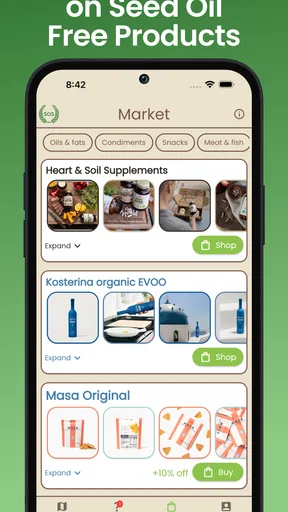
The app’s primary function is to provide information about various restaurants and their menu items, specifically focusing on the types of oils used in cooking. Why oils? Well, many restaurants use seed oils that are high in omega-6 fatty acids, which can be inflammatory when consumed in excess. The app aims to steer you towards healthier alternatives.
Worth Reading Before You Choose

EA SPORTS FC Mobile 26 Is a Bigger Football Game, but It Takes Time

Flipboard Shows What News Apps Must Do Beyond the Feed

Switching to Android Auto Means Rethinking Your Driving Routine

Google Calendar Makes a Crowded Week Easier to Manage

Ludo King Makes the Most of the Minutes Between Plans

Baby Panda World Brings Quick Play to Modern Phones, but Its Game Library Feels Busy
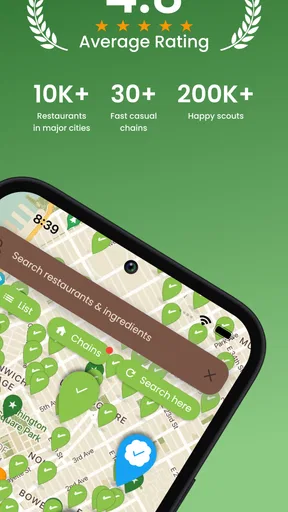
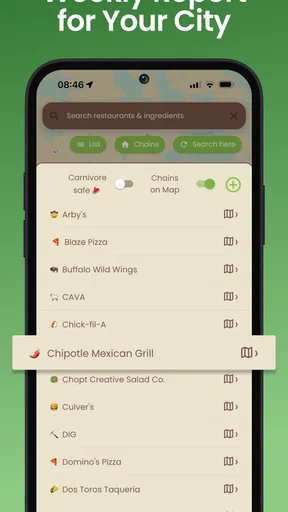
Once you open the app, you can search for restaurants in your area or browse by cuisine type. The app then lists menu items along with detailed nutritional information. If you’re concerned about certain ingredients or dietary restrictions, the app allows you to filter your search accordingly. It’s like Yelp, but with a healthy twist.
How I’d make the search more useful
One helpful habit is to decide what matters before searching. If the priority is gluten-free dining, start with that need; if the group cares most about cooking oils, keep that question central. Trying to satisfy every preference at once can make a shortlist too restrictive, while a clear priority gives you a more workable set of places to investigate.
I’d also separate a restaurant’s general approach from a particular dish. A place may be promising overall, but ingredients and preparation can differ from one menu item to another. Treat the search result as a lead, then ask a concise follow-up about the exact dish, cooking method, and any risk of cross-contact when that matters. This is more effective than assuming a restaurant-level label answers every kitchen question.
Features That Stand Out
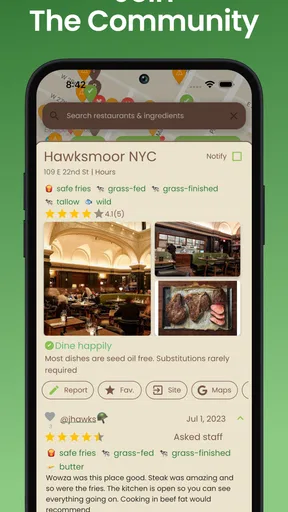
One of the most useful features of Seed Oil Scout is its community-driven approach. Users can submit their own findings about restaurants, including which oils are used in cooking. This feature adds a layer of real-world usability because it relies on input from other health-conscious diners who are just as invested in eating well as you are.
The app also provides educational content about oils and their health impacts. This is a handy tool for those of us who want to make informed decisions but might not have a background in nutrition. The information is presented in a digestible format, which makes it easy to understand the science behind your food choices.
Community reports need a second look
Community contributions are valuable because restaurant practices are not always easy to find on a menu. At the same time, I would read a user-submitted finding as a useful clue, not a guarantee that the kitchen still works the same way. Staff, suppliers, and recipes can change. If a particular oil or ingredient is essential to your choice, a quick call or question to the restaurant is a sensible last check.
This makes the app different from relying only on a restaurant’s own menu, which may list dishes without explaining cooking fats, and from a broad restaurant-review service, where ingredient details can be hard to find among ratings and photos. The focused angle saves time when oils or dietary fit are the deciding factor. For a complete nutrition analysis, a dedicated food-tracking tool may be more suitable; for atmosphere, opening details, or general reviews, a maps or dining-review app remains useful alongside it.
Real-World Application
So, how does it hold up in real-world scenarios? Pretty darn well! I tested the app during a recent dinner outing and found it incredibly helpful. I was able to quickly pull up the restaurant’s menu and see which dishes were prepared with healthier oils. It saved me from having to interrogate the waiter about every ingredient—and let’s be honest, nobody wants to be that person at the table.
The app also helped me discover new restaurants that prioritize health-conscious cooking methods. It’s amazing how many hidden gems are out there that I might have overlooked without this app guiding the way.
When it is worth opening—and when it is not
I’d reach for it when I’m choosing between unfamiliar places, planning a meal around gluten-free or carnivore-friendly options, or trying to make sense of a restaurant’s ingredient practices before arriving. It is also handy for someone who wants to learn enough about cooking oils to ask more precise questions. That combination of discovery and context is more useful than simply filtering a generic restaurant list by cuisine.
I would not make it my only resource for a medically necessary diet, a severe allergy, or a meal where exact preparation is critical. Restaurant information can be incomplete or outdated, and a filter cannot replace a direct conversation with staff. It may also be less rewarding in a small town with few listings, or for a diner whose main concern is price, ambience, or broad customer reviews rather than ingredients.
Room for Improvement
While Seed Oil Scout is a fantastic tool, there are a few areas where I think it could improve. For starters, the database could be more comprehensive. In smaller towns or less popular areas, the selection of restaurants might be limited. However, as more users contribute, this is likely to change.
Another potential improvement could be the integration of a social feature where users can share their dining experiences or create lists of favorite healthy spots. This would add a community feel and make the app even more engaging.
Practical details for a household
The app is free to download, with in-app purchases listed from $2.99 to $99.99 per item. I would check the purchase details in the app before paying, particularly if several people use one device, so everyone understands what a purchase covers. The current version is 5.8.0, and the minimum operating-system requirement is 7.0, which is worth checking on an older phone before making it part of a shared routine.
Extra Virgin Ventures is the developer. The app has an average rating of 4.1 from around 3,300 ratings, with 925 written reviews and over 100,000 installs. Those figures suggest that it has found an audience, but I’d still judge it by how useful its local restaurant results are for your own area. It is rated Teen, so I would not treat it as a child-focused food guide; an adult can help younger diners interpret ingredient information and decide what to ask.
For coordination, the simplest workflow is to have one person search, then read out or share a few options while the group agrees on what to verify. I would avoid treating one person’s dietary preferences as the default for everyone. That small step keeps the choice collaborative and makes it easier to spot when a restaurant works for most of the group but not for a particular diner.
Final Thoughts
Overall, Seed Oil Scout: Healthy Dining is a must-have for anyone who wants to make healthier dining choices without sacrificing the joy of eating out. It’s intuitive, informative, and offers a unique solution to a common problem. If you’re keen on maintaining a healthy lifestyle while enjoying the culinary pleasures life has to offer, this app is definitely worth a download.
In a world where dining out often means compromising on nutritional quality, Seed Oil Scout empowers you to make choices that align with your health goals. So, the next time you find yourself staring at a menu, let this app be your trusty guide. Happy dining!
My household verdict
I’d recommend it to households where at least one person regularly checks ingredients, avoids gluten, follows a carnivore-style diet, or wants to know more about restaurant cooking oils. Its best contribution is reducing the guesswork before a meal and giving a group a shared starting point for choosing where to go. It is less compelling if you mainly want conventional ratings, broad restaurant discovery, or a guarantee about how a kitchen handles a medical restriction.
For me, the right expectation is what makes the app worthwhile: use it to discover candidates, learn what to ask, and coordinate a plan, then verify anything that must be exact. It can make dining decisions feel less scattered without pretending that one search settles every dietary concern. If that balance suits the way your household eats, it is a useful companion to the menu, not a substitute for speaking up when the details matter.
Pros
- Easy to navigate interface.
- Comprehensive restaurant database.
- Real-time updates on seed oils.
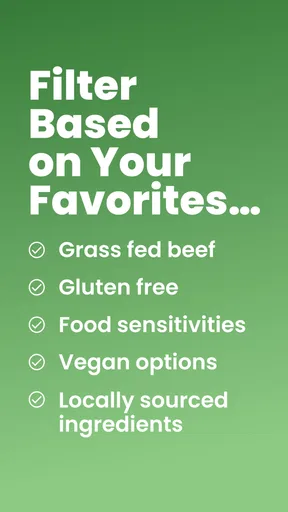
- Customizable dietary preferences.
- Offline access available.
Cons
- Limited international coverage.
- Occasional data inaccuracies.
- Requires sign-up for full access.
- Ads can be intrusive.
- Limited customization options.
FAQs for Seed Oil Scout: Healthy Dining
What is Seed Oil Scout and how does it work?
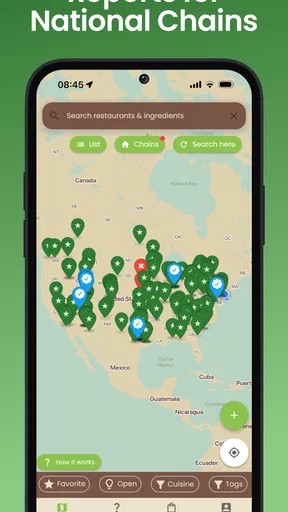
Seed Oil Scout is an app designed to help users identify restaurants that use healthier cooking oils, avoiding seed oils high in omega-6. The app provides a database of dining options based on user reviews and reports, offering a map view to easily locate nearby restaurants that meet specific health criteria.
Is Seed Oil Scout free to use?
Yes, Seed Oil Scout offers a free version that provides basic features such as searching for restaurants and viewing user reviews. However, there may be a premium version available with additional features, like detailed dietary information and personalized dining suggestions, for a subscription fee.
How reliable is the information provided by Seed Oil Scout?
The information on Seed Oil Scout is primarily user-generated, meaning it relies on the community to submit and verify details about restaurants. While the app strives for accuracy, users should consider cross-checking information, especially if they have specific dietary needs or health concerns.
Can I contribute information to Seed Oil Scout?
Yes, Seed Oil Scout encourages users to contribute by submitting reviews and updating restaurant information. This community-driven approach helps maintain and expand the database, making it more useful for everyone. To contribute, simply create an account and follow the instructions within the app.
Does Seed Oil Scout offer any other features besides restaurant listings?
Besides restaurant listings, Seed Oil Scout may offer features like dietary tips, nutritional information, and health articles to educate users about the benefits of avoiding certain oils. These resources aim to support users in making informed dining choices and adopting healthier eating habits.


